How Do I Know If I Have a Slab Leak? Warning Signs Arizona Homeowners Should Never Ignore
Few plumbing problems are as concerning—or potentially expensive—as a slab leak. Because these leaks occur beneath your home's concrete foundation, they often remain hidden for weeks or months before homeowners realize something is wrong.
For homeowners throughout Goodyear, Avondale, Buckeye, Litchfield Park, Glendale, Surprise, Peoria, Phoenix, Sun City, Tolleson, Youngtown, Anthem, and Estrella Mountain Ranch, slab leaks are a common plumbing concern due to the large number of homes built on concrete slab foundations.
The challenge with slab leaks is that they rarely announce themselves immediately. Instead, they often begin as small leaks beneath the foundation and gradually worsen over time. During that period, water can damage flooring, weaken structural components, increase utility bills, and even contribute to foundation issues.
Understanding the warning signs of a slab leak can help homeowners identify problems early and potentially avoid extensive repairs.

What Is a Slab Leak?
A slab leak occurs when a water line located beneath a home's concrete foundation develops a leak.
Most modern homes contain water supply lines that run underneath the slab before extending upward into walls, kitchens, bathrooms, laundry rooms, and other plumbing fixtures.
When one of these pipes becomes damaged, water escapes beneath the concrete foundation.
Unlike visible plumbing leaks, slab leaks occur out of sight, making them difficult to identify without proper inspection and leak detection equipment.
Why Are Slab Leaks Common in Arizona?
Several factors contribute to slab leaks throughout the Phoenix metropolitan area.
Hard Water Conditions
Arizona's hard water contains significant mineral content.
Over time, minerals can accumulate inside pipes and contribute to:
- Internal corrosion
- Reduced pipe efficiency
- Increased wear
Soil Movement
Although Arizona is known for its dry climate, soil expansion and contraction can still occur.
Changes in moisture levels beneath a foundation may place stress on underground pipes.
Aging Plumbing Systems
Older homes throughout Phoenix, Glendale, Sun City, and surrounding communities often contain aging plumbing systems that may become more susceptible to leaks.
High Water Pressure
Excessive water pressure can gradually weaken plumbing components and increase the risk of pipe failure beneath the slab.
Signs You May Have a Slab Leak
Because slab leaks are hidden beneath the foundation, homeowners must rely on secondary warning signs.
Recognizing these symptoms early is critical.
Sudden Increase in Your Water Bill
One of the most common slab leak indicators is an unexpected increase in water usage.
If your monthly bill rises significantly without any changes in household habits, a hidden leak may be responsible.
Even a relatively small leak beneath the slab can waste thousands of gallons of water over time.
Homeowners should compare recent bills to historical usage patterns and investigate unexplained increases.
Warm Spots on the Floor
Warm areas on flooring often indicate a hot water line leak beneath the slab.
This symptom is particularly noticeable on:
- Tile flooring
- Hardwood flooring
- Vinyl surfaces
Because hot water continuously escapes beneath the foundation, affected areas may feel noticeably warmer than surrounding sections of the floor.
Many homeowners first discover slab leaks after noticing unusual temperature differences while walking barefoot through the home.
Damp or Wet Flooring
Moisture appearing on flooring without explanation should never be ignored.
Potential signs include:
- Wet carpet
- Damp laminate
- Moist tile grout
- Unexplained floor discoloration
As water accumulates beneath the slab, it may eventually migrate upward and become visible inside the home.
Mold and Mildew Growth
Moisture created by slab leaks often provides ideal conditions for mold development.
Homeowners may notice:
- Musty odors
- Increased allergy symptoms
- Visible mold growth
- Persistent dampness
Because mold can spread quickly, addressing the underlying leak promptly is important.
Low Water Pressure Throughout the Home
Water escaping from a damaged pipe can affect overall plumbing performance.
Many homeowners with slab leaks experience:
- Reduced water pressure
- Weak shower flow
- Slower faucet performance
While low pressure can have multiple causes, it should always be investigated when accompanied by other slab leak symptoms.
Sound of Running Water
Some homeowners report hearing water movement even when no fixtures are operating.
Common descriptions include:
- Running water sounds
- Hissing noises
- Trickling sounds
- Faint rushing water beneath floors
These sounds may indicate water escaping from a damaged pipe beneath the foundation.
Cracks in Flooring or Foundation
Although not every crack indicates a slab leak, prolonged moisture exposure can contribute to structural concerns.
Potential warning signs include:
- New floor cracks
- Expanding foundation cracks
- Uneven flooring
- Shifting surfaces
Excess moisture beneath a foundation can gradually affect soil stability and structural integrity.
Water Pooling Around the Home
In some situations, slab leaks may create visible moisture outside the home.
Homeowners may notice:
- Constantly wet soil
- Standing water
- Unexpected vegetation growth
- Saturated landscaping
When underground water lines leak continuously, moisture often migrates beyond the foundation area.
Common Causes of Slab Leaks
Understanding why slab leaks occur can help homeowners better protect their plumbing systems.
Pipe Corrosion
Hard water minerals can contribute to gradual pipe deterioration.
Abrasion
As water flows through pipes, movement and vibration may cause friction against concrete or surrounding materials.
Soil Shifts
Changes in soil conditions can place stress on buried plumbing lines.
Poor Installation Practices
Improper installation can increase vulnerability to future leaks.
Excessive Water Pressure
High pressure places additional strain on plumbing components and may accelerate failure.
How Professionals Detect Slab Leaks
Because slab leaks are hidden beneath concrete, locating them often requires specialized equipment.
Modern leak detection methods may include:
Electronic Leak Detection
Sensitive listening devices help locate escaping water.
Pressure Testing
Pressure evaluations help identify hidden system failures.
Thermal Imaging
Infrared technology can reveal temperature variations caused by leaking hot water lines.
Video Inspection Equipment
Specialized cameras may assist in evaluating plumbing conditions.
These tools allow technicians to locate leaks accurately while minimizing disruption to the property.
Why Early Detection Matters
Waiting too long to address a slab leak can increase repair costs significantly.
Potential consequences include:
- Flooring damage
- Mold growth
- Foundation issues
- Structural deterioration
- Higher water bills
- Additional plumbing failures
Prompt action often reduces overall repair complexity and expense.
Can a Slab Leak Cause Foundation Damage?
Yes.
Although not every slab leak results in foundation damage, prolonged moisture exposure can affect soil conditions beneath the structure.
Over time, this may contribute to:
- Settlement
- Foundation movement
- Cracking
- Structural stress
The longer water remains beneath the slab, the greater the potential risk.
How Can Arizona Homeowners Reduce the Risk of Slab Leaks?
Preventative maintenance plays an important role.
Monitor Water Bills
Unexpected increases often provide the first indication of a hidden leak.
Address Hard Water Issues
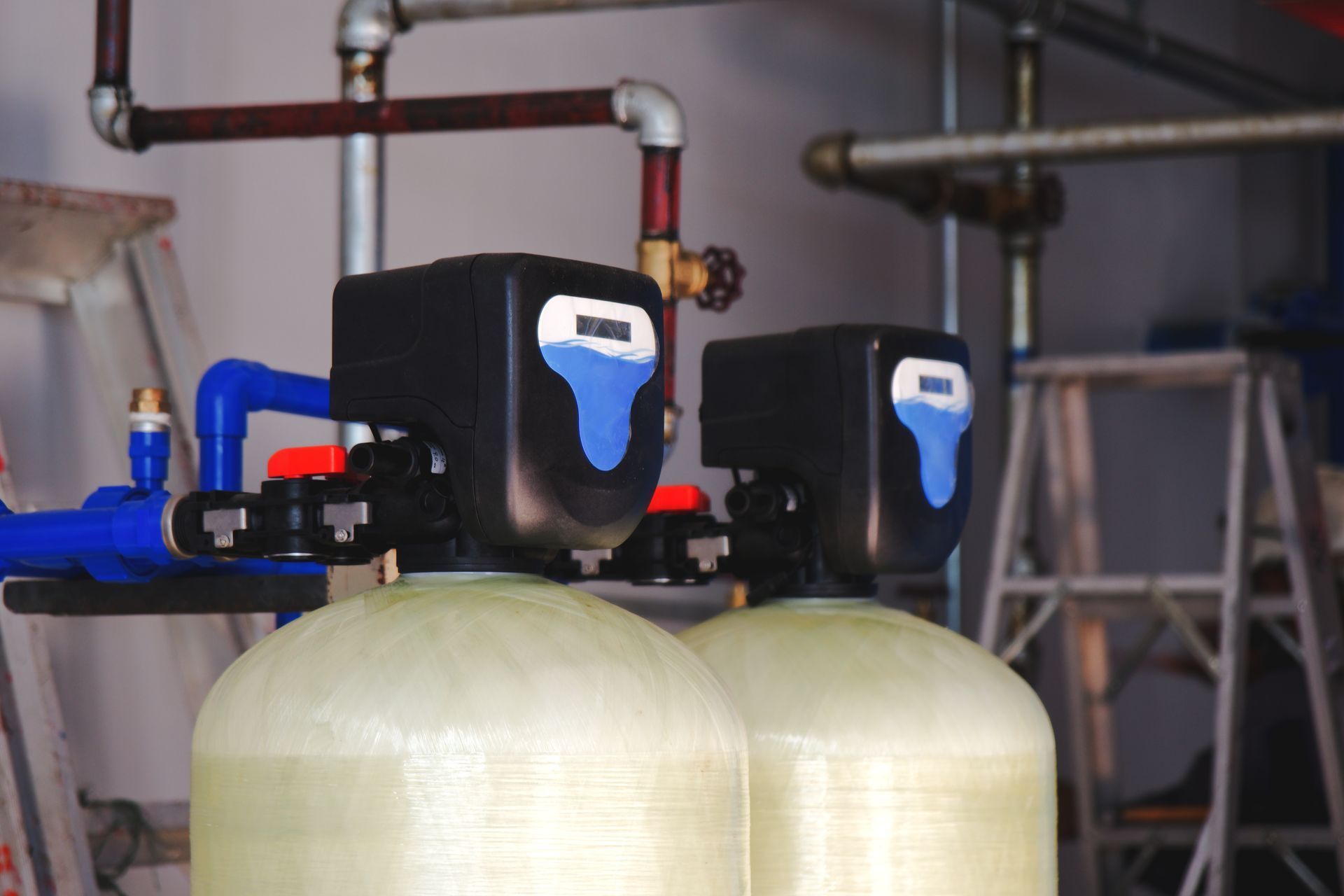
Water treatment systems may help reduce mineral-related pipe wear.
Schedule Plumbing Inspections
Routine evaluations can identify potential concerns before major damage occurs.
Monitor Water Pressure
Maintaining proper pressure helps reduce stress on plumbing systems.
Repair Plumbing Problems Promptly
Small issues often become larger and more expensive when ignored.
Frequently Asked Questions
Is a slab leak considered an emergency?
In many cases, yes. The longer a slab leak continues, the greater the risk of water damage and structural concerns.
Can a slab leak stop on its own?
No. Plumbing leaks generally worsen over time and should be addressed promptly.
How much water can a slab leak waste?
Even small leaks can waste thousands of gallons over weeks or months.
Are slab leaks common in Arizona?
Yes. Homes built on slab foundations throughout the Phoenix metropolitan area are susceptible to slab leaks.
Can homeowners detect slab leaks themselves?
Homeowners can identify warning signs, but professional leak detection is often necessary to confirm the location and extent of the problem.
Don't Ignore the Signs of a Slab Leak
Slab leaks are one of the most serious hidden plumbing problems a homeowner can face. Because they occur beneath the foundation, they often go undetected until water damage, rising utility bills, or structural concerns begin to appear.
If you notice warm floors, unexplained moisture, low water pressure, mold growth, running water sounds, or sudden increases in your water bill, it may be time to investigate further.
For homeowners throughout Goodyear, Avondale, Buckeye, Litchfield Park, Glendale, Surprise, Peoria, Phoenix, Sun City, Tolleson, Youngtown, Anthem, and Estrella Mountain Ranch, recognizing the warning signs early can help minimize damage and protect both your plumbing system and your home's foundation for years to come.