Water Softener vs. Whole-Home Water Conditioner: Which Is Better for Arizona Homes?
If you own a home in Goodyear, Avondale, Buckeye, Litchfield Park, Glendale, Surprise, Peoria, Phoenix, Sun City, Tolleson, Youngtown, Anthem, or Estrella Mountain Ranch, you've probably heard about the challenges that Arizona hard water creates.
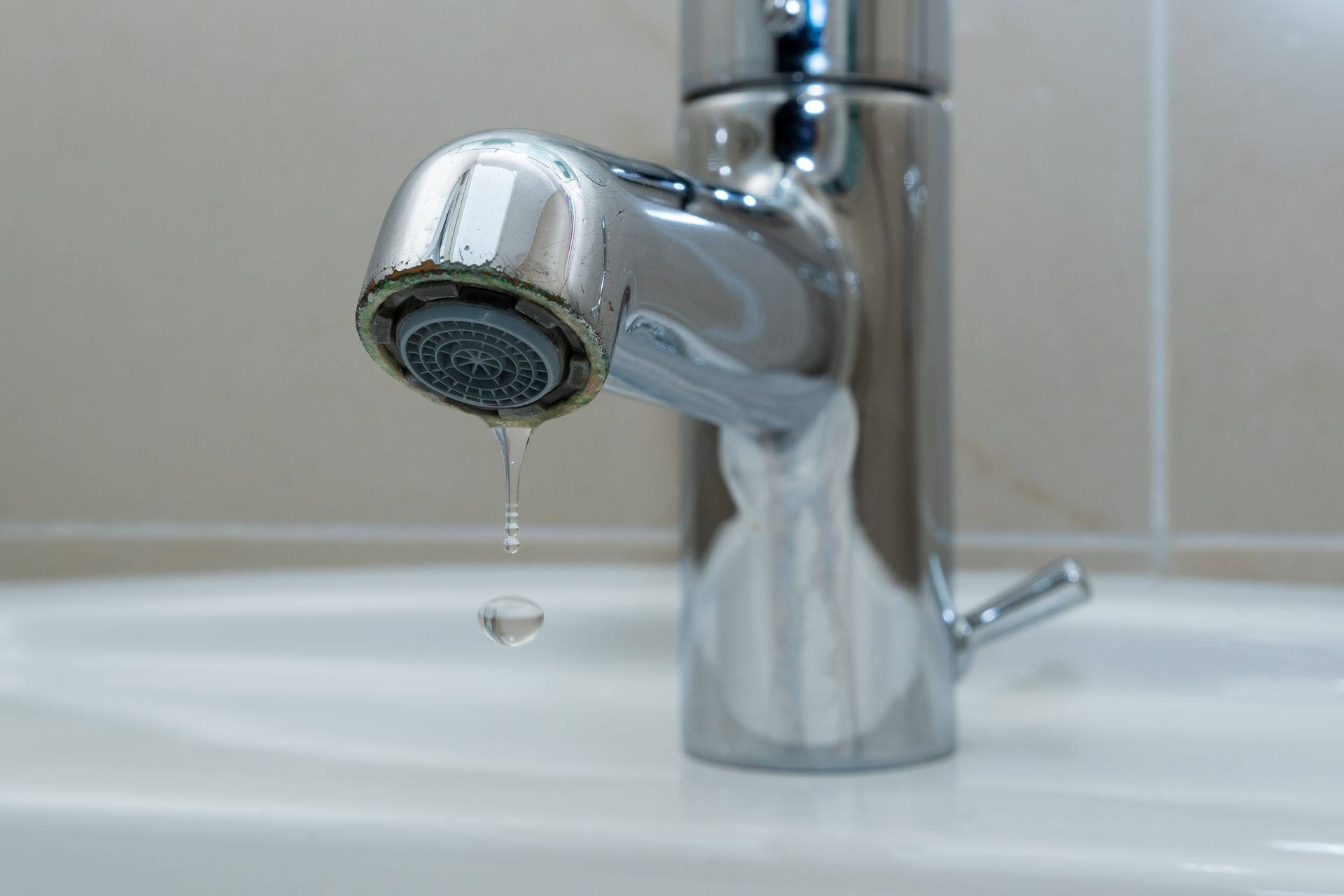
From white mineral buildup on faucets to shortened water heater life and declining appliance efficiency, hard water is one of the most common plumbing concerns homeowners face throughout the Valley.
Once homeowners realize hard water is affecting their plumbing system, the next question is usually:
Should I install a traditional water softener or a whole-home water conditioner?
While both systems are designed to address hard water issues, they work in very different ways and provide different benefits. Understanding the differences can help you choose the right solution for your family's needs, budget, and long-term plumbing goals.
Understanding Arizona's Hard Water Problem
Before comparing treatment systems, it's important to understand why hard water is such a concern throughout the Phoenix metropolitan area.
Arizona's water contains naturally occurring minerals such as:
- Calcium
- Magnesium
- Iron (in some areas)
- Trace minerals
These minerals are harmless to drink, but they can create significant plumbing problems over time.
Common hard water issues include:
- Scale buildup inside pipes
- Water heater sediment accumulation
- Reduced appliance efficiency
- Spotting on dishes and glassware
- Soap scum buildup
- Lower water pressure
- Increased plumbing maintenance costs
Because hard water is so common throughout Goodyear and surrounding communities, many homeowners eventually consider installing a whole-home water treatment system.
What Is a Traditional Water Softener?
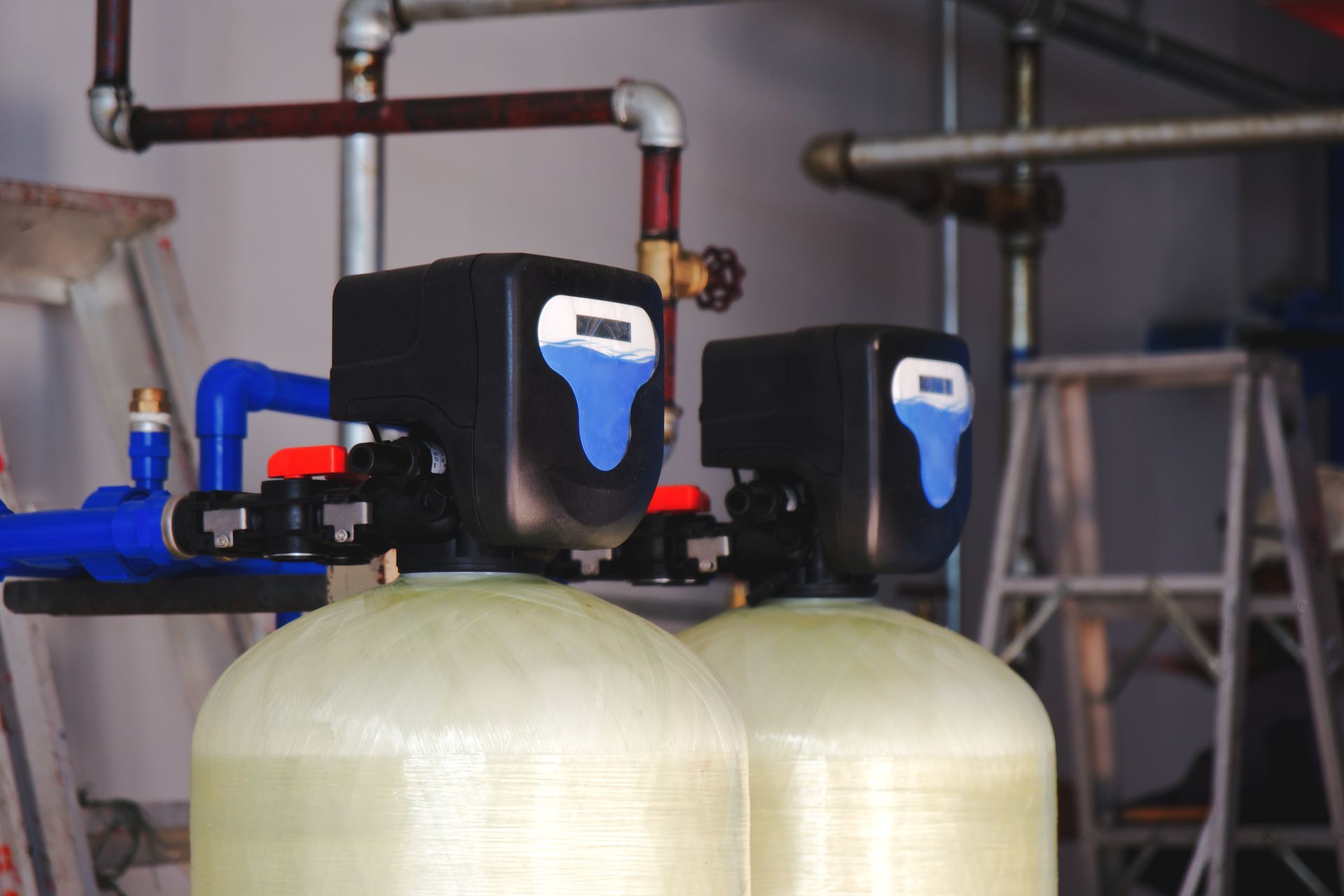
A traditional water softener removes hardness minerals from the water through a process called ion exchange.
As water passes through the softener tank, calcium and magnesium ions are exchanged for sodium or potassium ions.
The result is water that contains significantly lower concentrations of hardness minerals.
This process has been used successfully for decades and remains one of the most effective methods for eliminating hard water.
Benefits of Water Softeners
Water softeners provide several advantages:
Significant Reduction in Scale Buildup
Because hardness minerals are removed, scale accumulation is dramatically reduced throughout the plumbing system.
Longer Appliance Lifespan
Water heaters, dishwashers, washing machines, and other water-using appliances often last longer when protected from hard water.
Improved Soap Performance
Soap and detergent lather more effectively in softened water.
Cleaner Fixtures
Homeowners typically notice fewer water spots and mineral deposits
Reduced Water Heater Sediment
Water heaters generally operate more efficiently when hardness minerals are removed.
What Is a Whole-Home Water Conditioner?
A whole-home water conditioner approaches hard water treatment differently.
Instead of removing minerals from the water, conditioners are designed to alter how minerals behave.
Many conditioning systems help reduce the tendency of minerals to attach to plumbing surfaces and form hard scale deposits.
This allows homeowners to maintain mineral content in their water while reducing potential damage to plumbing systems.
Water conditioners come in several forms, including:
- Template-assisted crystallization systems
- Salt-free conditioners
- Electronic conditioning systems
- Catalytic media systems
The specific technology varies by manufacturer.
Benefits of Water Conditioners
Many Arizona homeowners prefer water conditioners because they offer several unique advantages.
No Salt Required
Unlike traditional water softeners, many conditioners do not require salt.
This eliminates:
- Salt purchases
- Salt storage
- Salt handling
Lower Maintenance
Many conditioning systems require less routine maintenance than traditional softeners.
Environmentally Friendly
Because they often avoid salt discharge, conditioners may be viewed as a more environmentally conscious option.
Reduced Scale Formation
Conditioners are designed to help minimize scale buildup throughout plumbing systems.
Mineral Retention
Some homeowners prefer keeping naturally occurring minerals in their water.
Key Differences Between Water Softeners and Water Conditioners
Although both systems address hard water concerns, their approaches are fundamentally different.
Water Softeners
- Remove hardness minerals
- Use ion exchange technology
- Require salt
- Produce softened water
- Reduce spotting and soap scum significantly
Water Conditioners
- Leave minerals in the water
- Alter mineral behavior
- Typically require less maintenance
- Often use no salt
- Focus primarily on scale prevention
Understanding this distinction is essential when evaluating which system best fits your home.
Which System Protects Plumbing Better?
Both systems can help protect plumbing, but they do so differently.
Water softeners provide comprehensive protection because the minerals responsible for hardness are removed from the water entirely.
This often results in:
- Reduced pipe scaling
- Better water heater performance
- Improved fixture longevity
Water conditioners can also help reduce scale accumulation but generally do not eliminate hardness minerals.
For homeowners primarily concerned about protecting pipes, water heaters, and appliances, both options may provide benefits depending on the severity of local water conditions.
Which System Is Better for Water Heaters?
Water heaters are especially vulnerable to hard water damage.
Minerals settle at the bottom of the tank and create sediment buildup that can:
- Increase energy consumption
- Reduce hot water availability
- Shorten equipment lifespan
- Cause unusual noises
Water softeners are often considered the most effective option for reducing water heater sediment because they remove the minerals responsible for buildup.
Conditioners may reduce scaling but generally do not eliminate sediment formation entirely.
For many Arizona homeowners, protecting the water heater is one of the biggest reasons for installing a treatment system.
Which Option Costs Less?
Initial installation costs vary depending on:
- Home size
- Water usage
- Equipment type
- Plumbing configuration
Long-term operating costs should also be considered.
Water Softener Costs
Potential ongoing expenses include:
- Salt purchases
- Periodic maintenance
- Resin replacement over time
Water Conditioner Costs
Potential expenses may include:
- Media replacement
- System servicing
- Equipment inspections
Because every home is different, evaluating lifetime ownership costs is often more important than comparing installation costs alone.
Which System Is Better for Arizona Homes?
The answer depends on your priorities.
A traditional water softener may be a better fit if you want:
- Maximum hardness reduction
- Better soap performance
- Reduced spotting
- Enhanced appliance protection
A water conditioner may be a better fit if you want:
- Lower maintenance
- Salt-free operation
- Reduced scale formation
- Mineral retention
Many homeowners throughout Goodyear, Surprise, Buckeye, and Peoria choose treatment systems based on their specific water quality concerns and household preferences.
Signs Your Home Needs Hard Water Treatment
You may benefit from a water treatment system if you notice:
- White mineral deposits
- Water heater issues
- Reduced water pressure
- Frequent plumbing repairs
- Spotty dishes
- Soap scum buildup
- Dry skin and hair
The sooner hard water issues are addressed, the easier it may be to prevent long-term plumbing damage.
Frequently Asked Questions
Does a water conditioner soften water?
No. Water conditioners generally do not remove hardness minerals. Instead, they alter how minerals behave within the plumbing system.
Is Arizona water considered hard?
Yes. Most communities throughout the Phoenix area experience hard to very hard water conditions.
Which system lasts longer?
Lifespan varies by manufacturer, maintenance practices, and water quality conditions.
Can either system protect my water heater?
Both can help, but traditional water softeners are often more effective at reducing sediment buildup.
Do I still need water heater maintenance?
Yes. Regular maintenance remains important regardless of which treatment system is installed.
Choosing the Right Hard Water Solution for Your Home
Hard water is a reality for homeowners throughout Goodyear, Avondale, Buckeye, Glendale, Litchfield Park, Surprise, Peoria, Phoenix, Sun City, Tolleson, Youngtown, Anthem, and Estrella Mountain Ranch.
Whether you choose a traditional water softener or a whole-home water conditioner, investing in water treatment can help protect your plumbing system, improve appliance efficiency, and reduce long-term maintenance costs.
Understanding the strengths of each option is the first step toward making an informed decision and protecting your home's plumbing system for years to come.