Colorado River Water Crisis: Why Arizona, California, and Nevada Could Face Major Water Cuts
Colorado River Water Crisis: Why Massive Water Cuts May Be Coming to the American West
The Colorado River has long been the lifeline of the American Southwest. Supplying water to approximately 40 million people and irrigating millions of acres of farmland, the river supports some of the fastest-growing regions in the United States. Today, however, the Colorado River is facing one of the most serious challenges in its history.
After years of drought, climate-driven reductions in water flow, and growing demand from cities and agriculture, federal officials are considering significant reductions in water deliveries to Arizona, California, and Nevada. The proposal could reshape water management across the West for years to come.
In this article, we'll examine what's happening, why it matters, who could be affected, and what solutions may help secure the future of one of America's most important water resources.
What Is the Colorado River and Why Is It So Important?
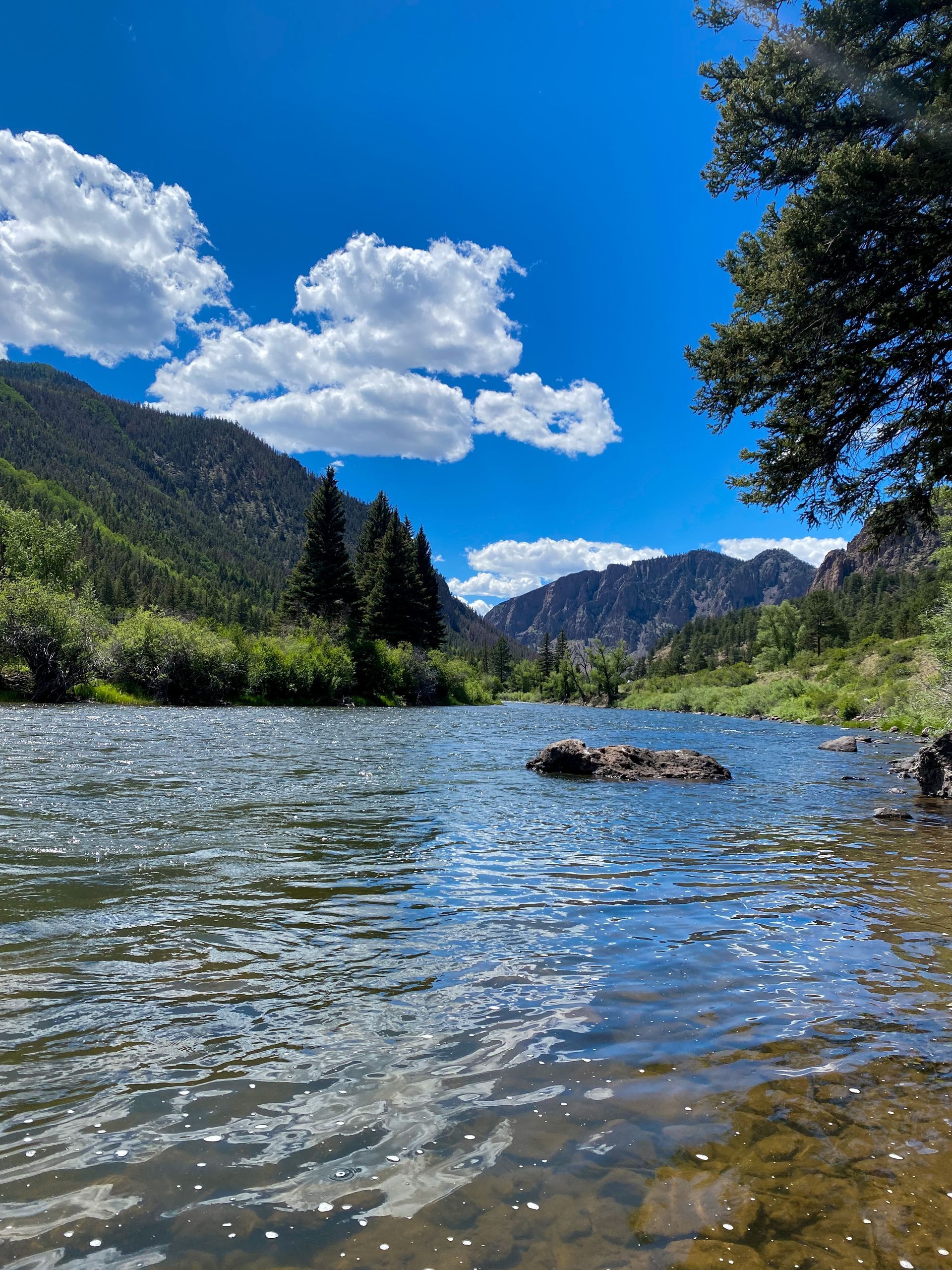
The Colorado River stretches more than 1,400 miles through seven U.S. states and parts of Mexico. It provides water for:
- Arizona
- California
- Nevada
- Colorado
- Utah
- Wyoming
- New Mexico
The river also supplies water to major metropolitan areas including:
- Phoenix
- Las Vegas
- Los Angeles
- San Diego
- Denver
Beyond residential use, the river supports agriculture, hydropower generation, recreation, tourism, and critical ecosystems throughout the Southwest.
Without the Colorado River, much of the region's economic growth over the past century would not have been possible.
What Is the Colorado River and Why Is It So Important?
1. Prolonged Drought
The western United States has experienced decades of drought conditions. Reduced precipitation and declining snowpack have significantly lowered the amount of water entering the Colorado River system each year.
Mountain snowpack serves as a natural reservoir, slowly releasing water throughout the spring and summer. When snowfall decreases, river flows decline as well.
2. Climate Change
Scientists increasingly point to climate change as a major factor worsening the Colorado River crisis.
Higher temperatures cause:
- Increased evaporation
- Drier soils
- Reduced runoff
- Greater water demand
Even years with average snowfall often produce less usable river water because warmer conditions absorb more moisture before it reaches reservoirs.
3. Over-Allocation of Water Rights
One of the most significant challenges stems from historical water agreements.
When the Colorado River Compact was negotiated in 1922, water availability was overestimated. States were granted rights to more water than the river consistently produces today.
As populations expanded, water demand continued rising while supplies declined.
The result is a structural imbalance between available water and promised water allocations.
Understanding the Proposed Federal Water Cuts
Federal officials are evaluating long-term strategies to protect Lake Mead and Lake Powell, the two largest reservoirs in the Colorado River Basin.
These reservoirs have reached critically low levels in recent years.
Potential measures under consideration include:
- Mandatory conservation requirements
- Reduced water deliveries
- Periodic reassessment of allocations
- Emergency drought-response measures
Some projections suggest reductions could reach millions of acre-feet annually if reservoir conditions continue deteriorating.
An acre-foot equals approximately 326,000 gallons of water—enough to supply several households for an entire year.
Which States Could Be Affected Most?
Arizona
Arizona is widely viewed as one of the most vulnerable states.
Much of central Arizona relies on the Central Arizona Project (CAP), which transports Colorado River water hundreds of miles across the state.
Significant reductions could affect:
- Municipal water supplies
- Agricultural operations
- Future development projects
- Groundwater management strategies
Many experts believe Arizona faces the greatest exposure because of its water-rights position within the current allocation framework.
California
California receives the largest share of Colorado River water.
Although the state holds some of the most senior water rights, it is not immune to shortages.
Potential impacts include:
- Agricultural production in the Imperial Valley
- Water planning in Southern California
- Increased conservation efforts
- Expanded water recycling programs
California's extensive infrastructure and conservation investments provide some resilience, but continued reductions would still create challenges.
Nevada
Nevada uses a relatively small portion of Colorado River water compared to Arizona and California.
However, nearly all of Las Vegas' water supply depends on the river.
Nevada has become a leader in water conservation through:
- Water recycling
- Turf removal programs
- Efficient urban water management
Even so, prolonged shortages could require additional restrictions.
What Happens to Lake Mead and Lake Powell?
Lake Mead
Lake Mead is the largest reservoir in the United States.
It supplies water to:
- Southern Nevada
- Southern California
- Arizona
When water levels fall, the reservoir loses storage capacity and faces operational challenges.
Lake Powell
Lake Powell serves as a crucial storage reservoir for the Upper Basin states.
Low levels threaten:
- Hydroelectric power generation
- Water delivery systems
- Long-term reservoir operations
Protecting both reservoirs remains a central goal of current federal planning efforts.
How Farmers Could Be Impacted
Agriculture accounts for a significant portion of Colorado River water use.
Many crops grown in the Southwest depend heavily on irrigation.
Potential impacts include:
- Reduced planting acreage
- Crop switching
- Increased water efficiency investments
- Economic pressure on farming communities
Farmers may increasingly adopt technologies such as:
- Drip irrigation
- Soil moisture monitoring
- Precision agriculture systems
These approaches can reduce water use while maintaining productivity.
What Cities Are Doing to Adapt
Major Southwestern cities have spent years preparing for water shortages.
Common strategies include:
Water Recycling
Advanced treatment systems allow wastewater to be reused for irrigation, industrial processes, and in some cases drinking water supplies.
Conservation Programs
Cities are encouraging residents to:
- Install efficient fixtures
- Replace lawns with drought-tolerant landscaping
- Reduce outdoor watering
Infrastructure Investments
Municipalities continue investing in:
- Reservoir improvements
- Groundwater storage
- Leak detection systems
- Smart water monitoring technologies
Possible Long-Term Solutions
There is no single solution to the Colorado River crisis.
Experts generally recommend a combination of approaches.
Improve Water Efficiency
Reducing waste remains one of the fastest and most cost-effective strategies.
Expand Water Recycling
Many regions still recycle only a fraction of their wastewater.
Increasing reuse can create reliable new water supplies.
Modernize Water Agreements
Many policymakers believe existing allocation frameworks must be updated to reflect modern hydrology rather than historical assumptions.
Invest in Alternative Water Sources
Potential options include:
- Desalination projects
- Stormwater capture
- Groundwater recharge programs
Encourage Regional Cooperation
Long-term success will likely require cooperation among all basin states rather than state-by-state solutions.
Click the link below to see an article about US plan for Colorado River could cut up to 40% supply for Arizona, California and Nevada
Final Thoughts
The Colorado River crisis represents one of the most important environmental and infrastructure challenges facing the American West.
Decades of drought, climate pressures, population growth, and outdated allocation systems have pushed the river to a critical point. While proposed water reductions may be difficult for affected states, many experts believe action is necessary to preserve the long-term viability of the river system.
The coming years will likely determine whether policymakers, water managers, farmers, businesses, and residents can successfully adapt to a future where water is increasingly scarce.
For anyone living in the Southwest, understanding the Colorado River's challenges is no longer optional—it is essential.
The decisions made today will shape water security, economic growth, and environmental sustainability for generations to come.