Arizona Hard Water Explained: How It Damages Your Pipes, Water Heater, and Fixtures
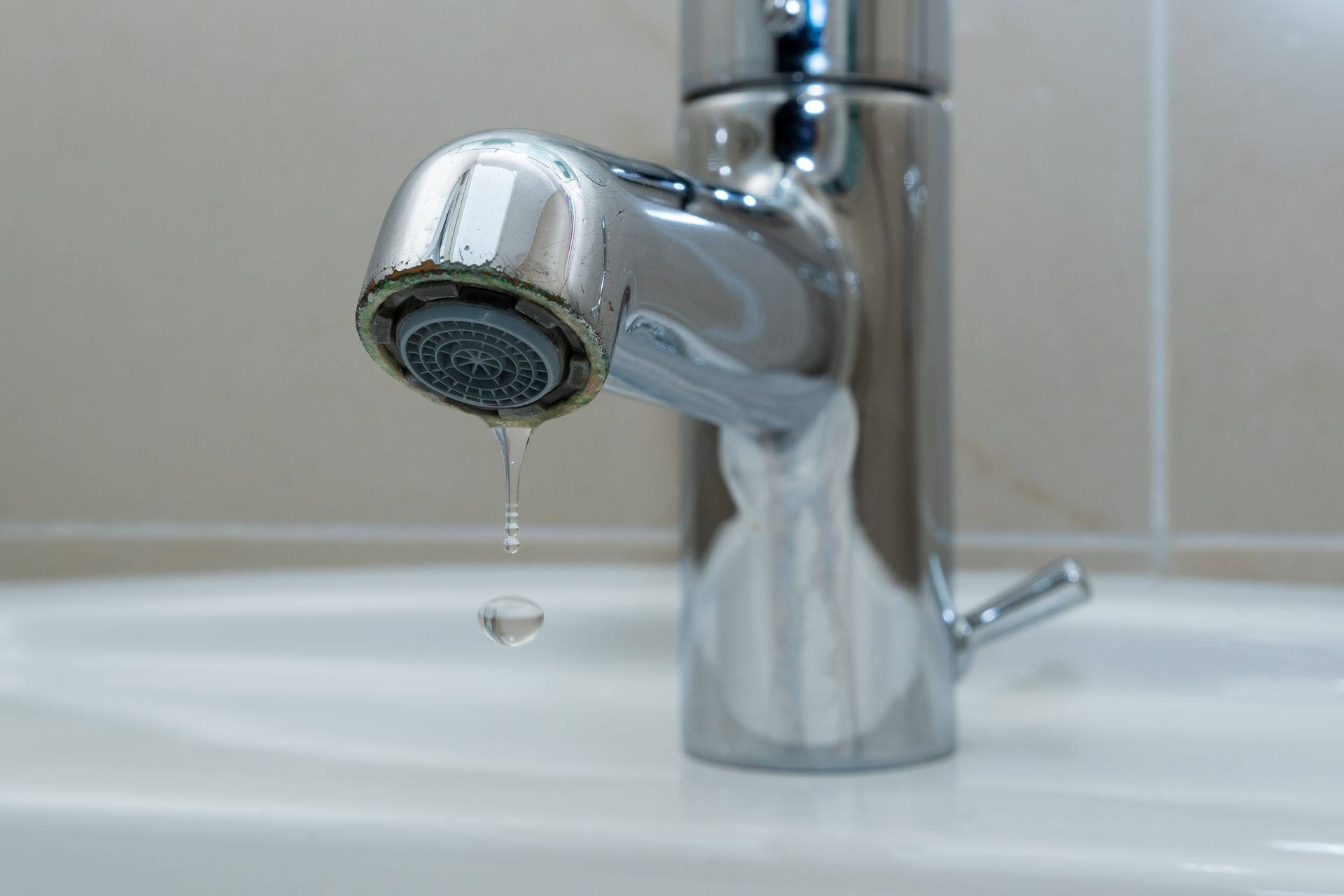
If you've lived in Arizona for any length of time, you've probably noticed white spots on your faucets, buildup around your showerheads, or water stains on your dishes. These are all signs of hard water, one of the most common plumbing challenges facing homeowners throughout Goodyear, Avondale, Buckeye, Litchfield Park, Glendale, Surprise, Peoria, Phoenix, Sun City, Tolleson, Youngtown, Anthem, and Estrella Mountain Ranch.
While hard water may seem like a minor inconvenience, the truth is that it can have a significant impact on your plumbing system, water heater, fixtures, appliances, and even your monthly utility bills. Over time, mineral deposits can reduce efficiency, shorten equipment lifespan, and lead to costly plumbing repairs.
Understanding how hard water affects your home can help you take proactive steps to protect your plumbing investment and avoid expensive problems down the road.
What Is Hard Water?
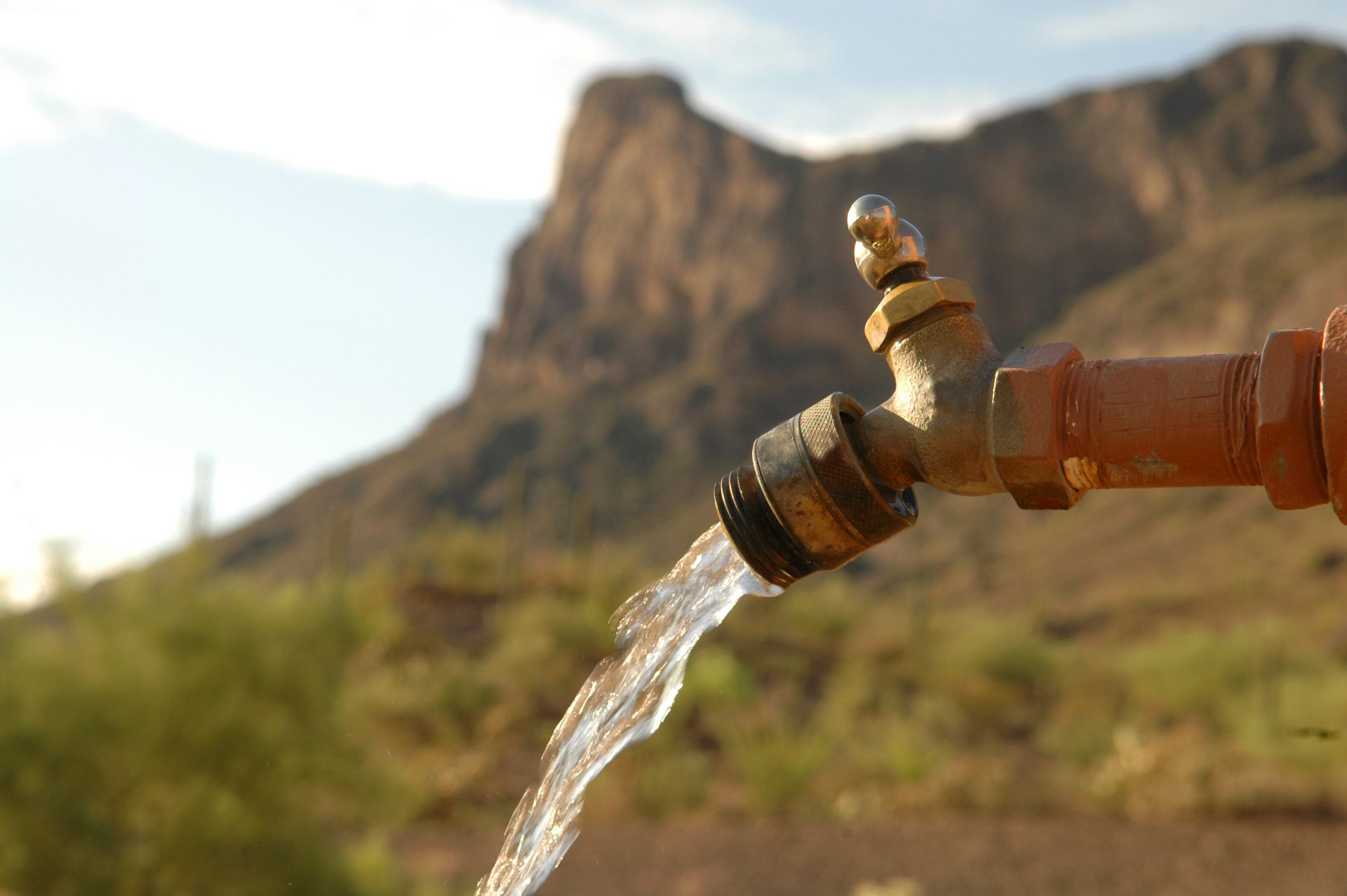
Hard water contains elevated levels of dissolved minerals, primarily calcium and magnesium. These minerals are naturally picked up as water travels through rock formations and underground aquifers before reaching municipal water systems.
Arizona's water supply is known for having higher mineral content than many other parts of the country. While these minerals are generally safe to drink, they can create challenges for residential plumbing systems.
The hardness of water is typically measured in grains per gallon (GPG). Water is generally classified as:
- Soft Water: 0–3.5 GPG
- Moderately Hard Water: 3.5–7 GPG
- Hard Water: 7–10.5 GPG
- Very Hard Water: Over 10.5 GPG
Many communities throughout the Phoenix metropolitan area regularly experience water hardness levels that fall into the "very hard" category.
Why Is Hard Water So Common in Arizona?
Arizona's desert climate and geological conditions play a major role in creating hard water.
Much of the state's water comes from underground sources and reservoirs where it passes through mineral-rich rock formations. As water travels through these formations, it absorbs calcium, magnesium, and other dissolved minerals.
The result is water that may be safe for everyday use but can create long-term issues for plumbing systems.
Homeowners throughout Goodyear, Buckeye, Surprise, Peoria, Glendale, and nearby communities often notice hard water symptoms much sooner than homeowners in other regions due to the naturally high mineral concentrations found in local water supplies.
Signs You Have Hard Water in Your Home
Many homeowners live with hard water for years without realizing how much damage it may be causing behind the scenes.
Common signs of hard water include:
White Chalky Buildup
Mineral deposits often appear around:
- Faucets
- Showerheads
- Sink drains
- Tub spouts
- Water supply valves
These deposits are commonly referred to as limescale.
Water Spots on Dishes and Glassware
Hard water minerals can leave visible residue even after dishes have been washed and dried.
Soap Scum in Showers and Tubs
Hard water reacts with soap, making it harder to rinse away completely. This often results in soap scum buildup on surfaces.
Dry Skin and Hair
Many homeowners notice that hard water can leave skin feeling dry and hair feeling dull after bathing.
Reduced Water Pressure
Mineral buildup inside pipes can gradually restrict water flow and lower water pressure throughout the home.
Frequent Plumbing Repairs
Hard water accelerates wear and tear on plumbing fixtures, valves, and appliances.
How Hard Water Damages Your Plumbing Pipes
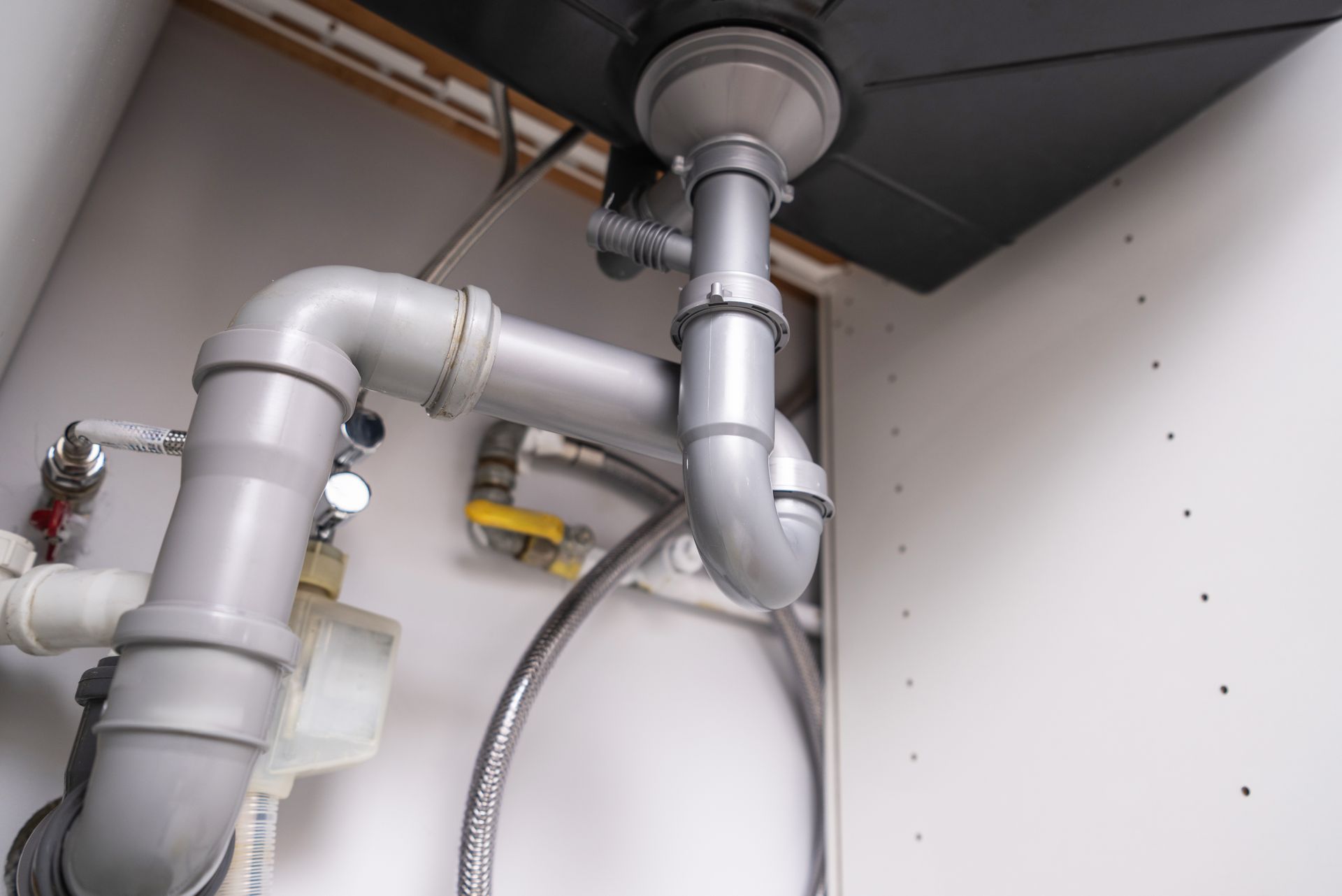
One of the most significant long-term effects of hard water is scale buildup inside plumbing pipes.
As mineral-rich water flows through your plumbing system, tiny deposits begin accumulating on the interior walls of pipes. Over time, these deposits can become substantial enough to restrict water flow.
- This can lead to:
- Reduced water pressure
- Uneven water flow
- Increased strain on plumbing components
- Greater risk of pipe blockages
The process occurs gradually, making it difficult for homeowners to recognize until noticeable performance issues develop. Older homes throughout Phoenix, Glendale, and Sun City can be particularly vulnerable because years of mineral accumulation may already exist inside aging plumbing systems.
How Hard Water Affects Water Heaters
Water heaters are among the hardest-hit appliances in homes with hard water. Every time your water heater operates, dissolved minerals separate from the water and settle at the bottom of the tank. Over time, these minerals form a thick layer of sediment.
Increased Energy Consumption
Sediment acts as an insulating barrier between the burner or heating element and the water. This forces the water heater to work harder and longer to produce hot water.
Reduced Hot Water Supply
As sediment accumulates, available tank capacity decreases, meaning homeowners may run out of hot water more quickly.
Shortened Equipment Lifespan
Water heaters exposed to excessive sediment buildup often experience premature failure.
Strange Noises
Popping, rumbling, or banging sounds coming from a water heater are often caused by hardened mineral deposits inside the tank.
Without regular maintenance, hard water can significantly reduce the lifespan of a water heater.
Hard Water and Your Plumbing Fixtures
Hard water doesn't just affect hidden plumbing components.
Fixtures throughout your home may also suffer from mineral buildup.
Affected fixtures often include:
- Kitchen faucets
- Bathroom faucets
- Showerheads
- Tub spouts
- Sink sprayers
Over time, mineral deposits can clog aerators, restrict water flow, and cause fixtures to operate less efficiently.
Homeowners frequently replace fixtures that appear worn out when the underlying issue is actually ongoing hard water exposure.
How Hard Water Impacts Household Appliances
Many appliances rely on water to function properly.
Hard water can shorten the lifespan of:
Dishwashers
Mineral buildup can reduce cleaning performance and damage internal components.
Washing Machines
Scale accumulation may affect efficiency and increase maintenance needs.
Ice Makers
Mineral deposits can clog small water supply lines and reduce ice production.
Coffee Makers
Internal mineral buildup often reduces performance and increases cleaning requirements.
Appliances forced to operate under hard water conditions typically require more maintenance and may fail sooner than expected.
The Financial Cost of Hard Water
Many homeowners underestimate how expensive hard water can become over time.
- Potential costs include:
- Higher energy bills
- Increased water heater repairs
- Fixture replacements
- Appliance repairs
- Premature equipment replacement
- Reduced plumbing efficiency
While hard water damage often occurs gradually, the cumulative cost can become substantial over the years.
How to Protect Your Home from Hard Water Damage
The good news is that homeowners have several options available to reduce hard water-related issues.
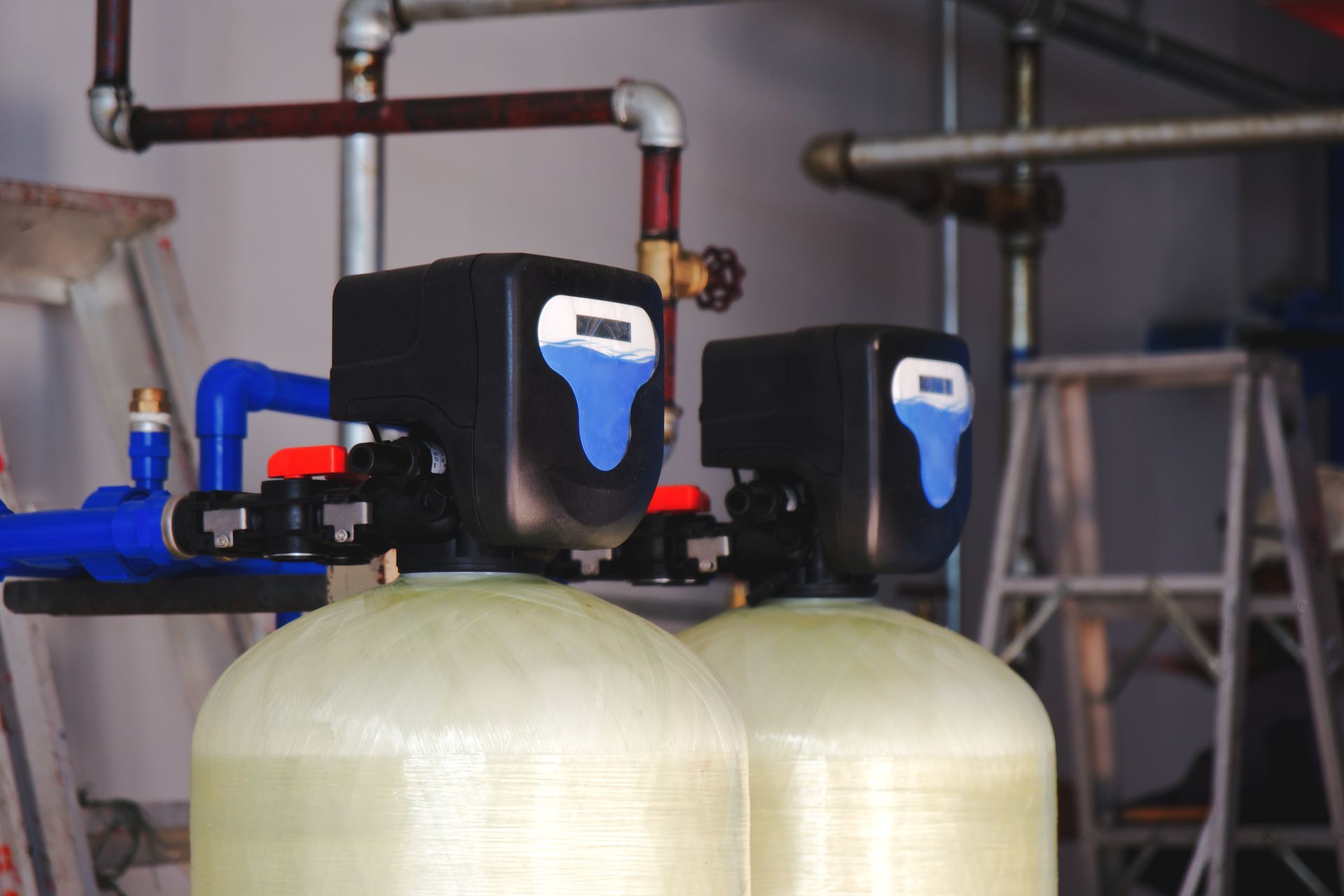
Install a Water Softener
Traditional water softeners remove calcium and magnesium through an ion exchange process.
Benefits may include:
Reduced scale buildup
Improved appliance efficiency
Longer plumbing lifespan
Better soap performance
Consider a Whole-Home Water Conditioner
Water conditioners approach mineral management differently than traditional softeners. These systems are often designed to reduce scaling without completely removing minerals from the water.
Many Arizona homeowners choose water conditioners to help protect plumbing systems while minimizing maintenance requirements.
Flush Your Water Heater Regularly
Regular water heater flushing helps remove sediment before it accumulates excessively. In Arizona, many plumbing professionals recommend annual maintenance, although some homes may benefit from more frequent flushing depending on water quality.
Schedule Plumbing Inspections
Routine inspections can identify early signs of mineral buildup before major problems occur.
A professional plumber can evaluate:
- Water pressure
- Fixture performance
- Water heater condition
- Scale accumulation
When Should You Call a Professional Plumber?
You should consider contacting a plumbing professional if you notice:
- Persistent low water pressure
- Frequent fixture clogs
- Water heater performance issues
- Visible mineral buildup
- Increasing utility bills
- Repeated plumbing repairs
Addressing hard water problems early often prevents larger and more expensive issues later.
Frequently Asked Questions About Arizona Hard Water
Is Arizona hard water safe to drink?
Yes. Hard water is generally considered safe to drink. However, the minerals can create plumbing and appliance-related concerns.
Can hard water ruin a water heater?
Over time, hard water can significantly shorten the lifespan of a water heater due to sediment accumulation.
How often should I flush my water heater in Arizona?
Many homeowners benefit from annual flushing, although homes with severe hard water conditions may require more frequent maintenance.
Will a water softener improve water pressure?
If mineral buildup is restricting flow, a water softener may help prevent future scale accumulation and preserve water pressure.
What is the difference between a water softener and a water conditioner?
A water softener removes hardness minerals, while a water conditioner typically changes how minerals behave to reduce scale formation.
Protect Your Plumbing from Arizona Hard Water
Hard water is a fact of life throughout Goodyear, Avondale, Buckeye, Glendale, Litchfield Park, Surprise, Peoria, Phoenix, Sun City, Tolleson, Youngtown, Anthem, and Estrella Mountain Ranch. While the effects may develop gradually, the long-term impact on your plumbing system, water heater, fixtures, and appliances can be significant.
Understanding how hard water affects your home is the first step toward protecting your investment. Whether you're noticing low water pressure, increasing water heater problems, mineral buildup, or recurring plumbing repairs, addressing hard water issues early can save money and help extend the life of your plumbing system.
For homeowners looking to improve water quality, protect plumbing equipment, and reduce hard water damage, professional evaluation and treatment solutions can make a substantial difference.