How to Protect Your Plumbing from Arizona's Hard Water
If you own a home in Goodyear, Avondale, Buckeye, Litchfield Park, Glendale, Surprise, Peoria, Phoenix, Sun City, Tolleson, Youngtown, Anthem, or Estrella Mountain Ranch, hard water is one of the biggest threats to your plumbing system.
Most homeowners notice the obvious signs first. White spots on dishes, buildup around faucets, soap scum in showers, and stubborn mineral stains are often the first indicators that hard water is present. However, what many people don't realize is that the most expensive damage often occurs where you can't see it—inside your pipes, water heater, valves, fixtures, and appliances.
Over time, hard water can reduce efficiency, increase utility costs, shorten the lifespan of plumbing components, and lead to expensive repairs. Fortunately, there are several steps homeowners can take to minimize damage and keep their plumbing system operating efficiently for years.
Why Hard Water Is Such a Problem in Arizona
Arizona's water naturally contains high concentrations of dissolved minerals, primarily calcium and magnesium.
As water travels through underground aquifers and rock formations, it absorbs these minerals before reaching homes and businesses throughout the Phoenix metropolitan area.
While these minerals are generally safe for consumption, they create a condition known as hard water.
When hard water moves through a plumbing system, minerals begin attaching themselves to interior surfaces. This process creates scale buildup that can gradually restrict water flow and reduce system efficiency.
Because communities such as Goodyear, Buckeye, Surprise, Peoria, and Glendale often experience very hard water conditions, plumbing systems throughout the area are constantly exposed to mineral accumulation.
What Happens If Hard Water Is Left Untreated?
Many homeowners assume hard water is simply an annoyance. Unfortunately, the long-term consequences can be expensive.
Without preventative measures, hard water may contribute to:
- Water heater failure
- Reduced water pressure
- Pipe restrictions
- Fixture damage
- Appliance inefficiency
- Higher utility bills
- Increased plumbing repairs
- Shortened equipment lifespan
The effects often develop slowly, making them easy to overlook until a significant repair becomes necessary.
Understand the Early Warning Signs
Protecting your plumbing starts with recognizing hard water symptoms before major damage occurs.
Common warning signs include:
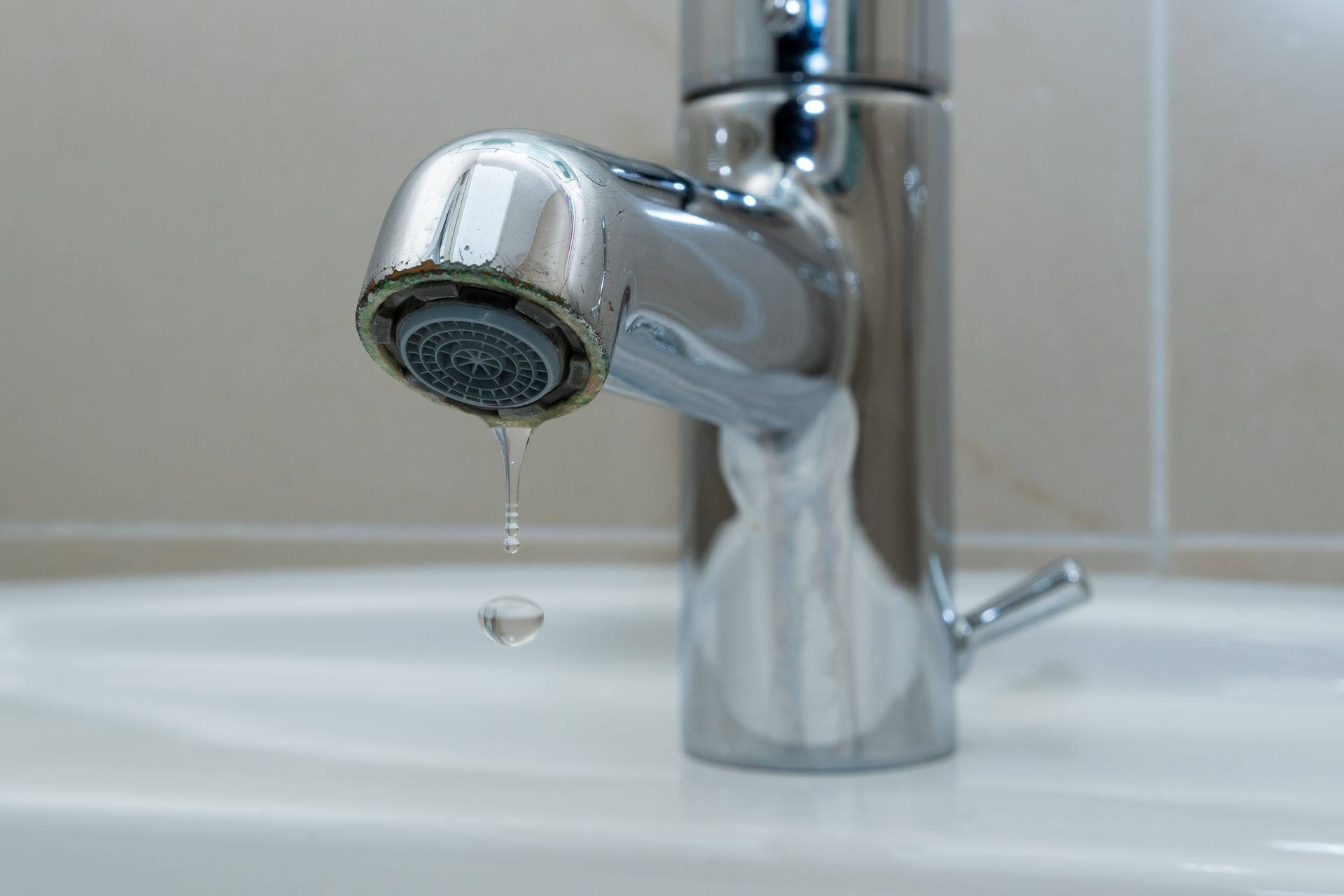
White Mineral Deposits
You may notice chalky buildup around:
- Faucets
- Showerheads
- Sink drains
- Tub spouts
- Water supply valves
Reduced Water Pressure
As minerals accumulate inside pipes and fixtures, water flow may become restricted.
Frequent Water Heater Issues
Hard water can create sediment buildup that reduces water heater performance.
Soap Scum and Residue
Hard water reacts with soap, leaving behind residue that is difficult to remove.
Spotty Glassware
Mineral deposits often remain on dishes even after washing.
Identifying these symptoms early can help homeowners take corrective action before more serious plumbing problems develop.
Install a Water Treatment System
One of the most effective ways to protect your plumbing system is by addressing the source of the problem.
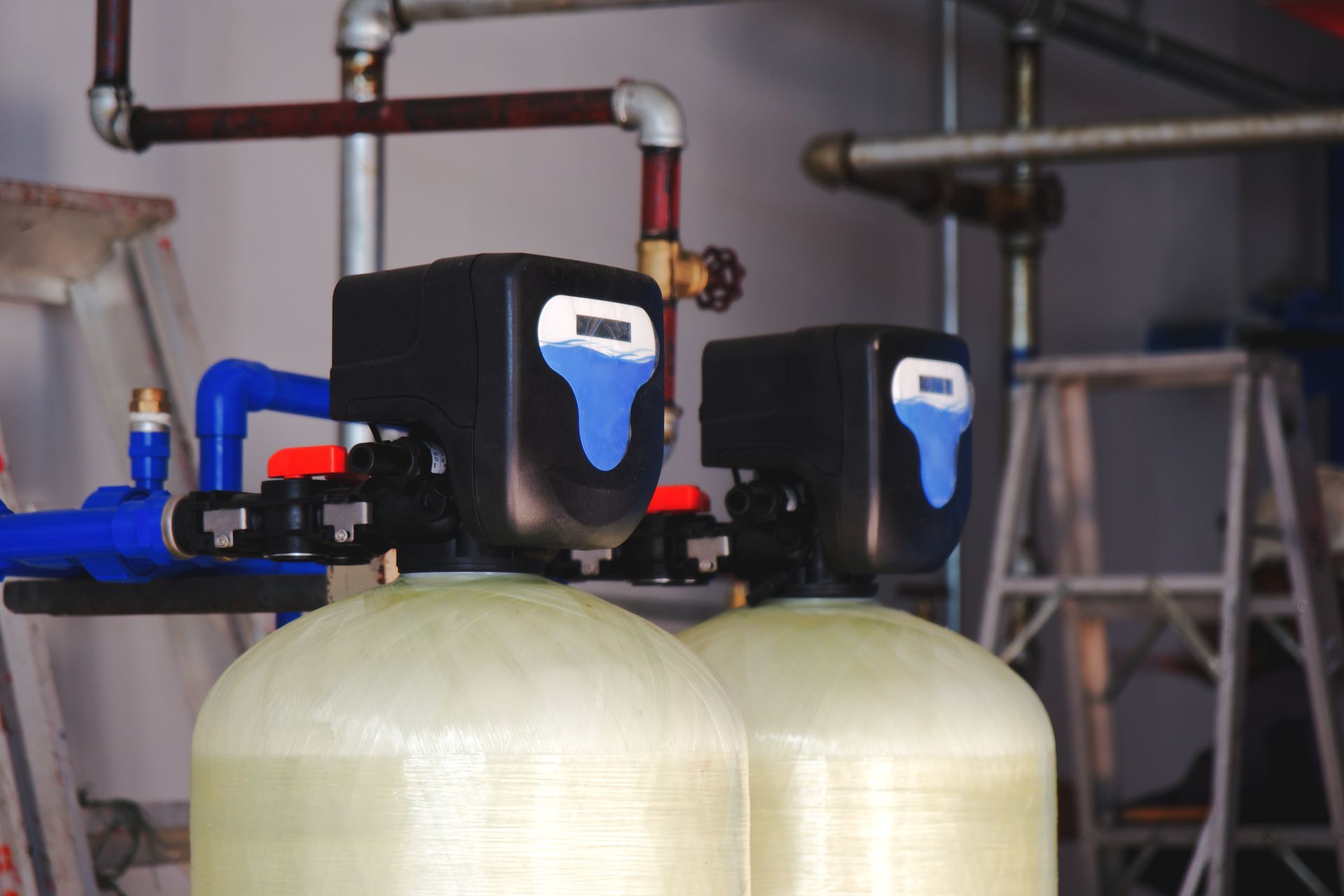
Water Softeners
Traditional water softeners remove calcium and magnesium through ion exchange.
Benefits include:
- Reduced scale buildup
- Improved appliance efficiency
- Better soap performance
- Longer plumbing lifespan
- Cleaner fixtures
Water Conditioners
Water conditioners alter how minerals behave in water, helping reduce scale accumulation without necessarily removing minerals entirely.
Many Arizona homeowners choose water conditioners because they offer:
- Salt-free operation
- Reduced maintenance
- Scale protection
- Mineral retention
The right choice depends on your home's water quality and your long-term goals.
Flush Your Water Heater Regularly
Water heaters are among the most vulnerable components in homes with hard water.
As water is heated, minerals settle at the bottom of the tank and form sediment deposits.
If left unchecked, sediment can:
- Increase energy costs
- Reduce heating efficiency
- Cause strange noises
- Shorten water heater lifespan
- Reduce hot water availability
Regular flushing helps remove sediment before it accumulates excessively.
For many Arizona homeowners, annual flushing is recommended. Homes with particularly severe hard water conditions may benefit from more frequent maintenance.
Replace Worn Showerheads and Faucet Aerators
Mineral deposits frequently accumulate inside small plumbing components.
Showerheads and faucet aerators are especially vulnerable because of their narrow openings.
When buildup occurs, homeowners may notice:
- Reduced water flow
- Uneven spray patterns
- Low water pressure
Cleaning or replacing these components periodically can help maintain proper water flow throughout the home.
Monitor Your Water Pressure
Water pressure issues are common in areas with hard water.
As mineral buildup develops inside pipes and fixtures, flow restrictions can occur.
Maintaining appropriate water pressure is important because excessive pressure can place additional stress on plumbing components.
Homeowners should consider professional evaluation if they notice:
- Sudden pressure changes
- Weak water flow
- Uneven pressure throughout the home
- Pressure fluctuations
Early intervention may help prevent more serious plumbing concerns.
Protect Your Water Heater Investment
Water heaters represent one of the most significant plumbing investments in a home.
Arizona hard water can dramatically shorten water heater lifespan if proper maintenance is neglected.
Protective measures include:
- Regular flushing
- Water treatment systems
- Periodic inspections
- Prompt repairs when problems arise
Addressing sediment buildup early often helps maximize efficiency and extend equipment life.
Schedule Routine Plumbing Inspections
Many hard water problems develop gradually and remain hidden until damage becomes extensive.
Routine plumbing inspections allow professionals to identify issues before they become costly repairs.
An inspection may reveal:
- Mineral buildup
- Early corrosion
- Pressure issues
- Water heater concerns
- Fixture deterioration
- Developing leaks
Preventative maintenance is often far less expensive than emergency repairs.
Watch for Hidden Pipe Restrictions
One of the most overlooked effects of hard water is scale accumulation inside plumbing pipes.
Over time, minerals can reduce pipe diameter and restrict water flow.
This may result in:
- Lower water pressure
- Reduced appliance performance
- Increased strain on plumbing systems
Older homes throughout Phoenix, Sun City, Glendale, and surrounding communities may be particularly vulnerable because mineral deposits have had more time to accumulate.
Protect Household Appliances
Hard water affects more than plumbing pipes.
Appliances that use water can experience reduced efficiency and shortened lifespan.
Commonly affected appliances include:
Dishwashers
Mineral buildup can reduce cleaning effectiveness and damage internal components.
Washing Machines
Scale accumulation may affect water flow and overall performance.
Ice Makers
Small water lines are especially susceptible to mineral blockage.
Coffee Makers
Hard water can quickly create internal deposits that affect operation.
Protecting these appliances often begins with controlling water hardness throughout the home.
Address Plumbing Repairs Quickly
Small plumbing issues often become larger problems when hard water is involved.
Mineral buildup can accelerate wear on:
- Valves
- Faucets
- Supply lines
- Water heaters
- Appliances
Prompt repairs can help prevent minor concerns from escalating into expensive system failures.
The Long-Term Benefits of Hard Water Protection
Investing in hard water prevention offers several long-term advantages.
Homeowners often experience:
Lower Utility Bills
Improved efficiency can reduce energy consumption.
Fewer Plumbing Repairs
Reduced scale buildup helps protect plumbing components.
Longer Equipment Lifespan
Water heaters and appliances often last longer when protected from hard water damage.
Improved Water Flow
Maintaining clean plumbing systems helps preserve water pressure.
Better Overall Performance
Fixtures, appliances, and plumbing systems generally operate more efficiently.
Frequently Asked Questions
How hard is Arizona water?
Many communities throughout the Phoenix metropolitan area experience hard to very hard water conditions due to naturally occurring mineral content.
Can hard water damage pipes?
Yes. Over time, mineral buildup can restrict water flow and reduce plumbing efficiency.
Is a water softener worth it in Arizona?
Many homeowners find that water softeners help protect plumbing systems, appliances, and water heaters from hard water damage.
How often should I flush my water heater?
Most homeowners benefit from annual flushing, although homes with severe hard water may require more frequent maintenance.
Does hard water affect water pressure?
Yes. Scale buildup can gradually reduce pipe diameter and restrict water flow.
Protect Your Plumbing Before Hard Water Causes Expensive Damage
Hard water is one of the most common plumbing challenges facing homeowners in Goodyear, Avondale, Buckeye, Litchfield Park, Glendale, Surprise, Peoria, Phoenix, Sun City, Tolleson, Youngtown, Anthem, and Estrella Mountain Ranch.
While mineral buildup develops gradually, its effects can become costly over time. Water heaters, appliances, fixtures, pipes, and plumbing systems all benefit from proactive hard water protection.
By recognizing early warning signs, maintaining your plumbing system, and considering appropriate water treatment solutions, you can reduce the impact of hard water and help your home's plumbing system perform at its best for years to come.